Two Distinct Engineering Approaches to Sofa-in-a-Box
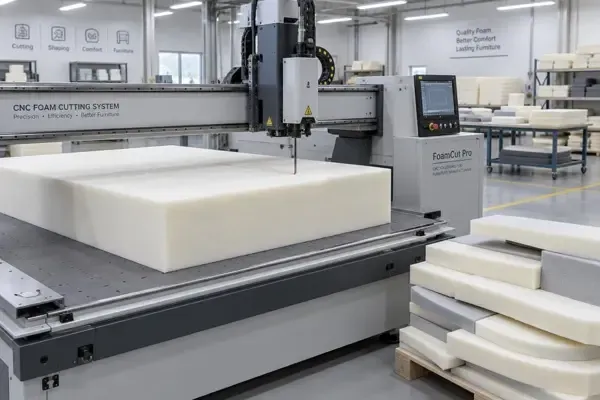
Buyers entering the compressed sofa market quickly encounter two structural builds: frameless ("boneless") all-foam couches sculpted from high-density multi-layer foam blocks, and hybrid framed compressed sofas combining a knock-down hardwood/plywood base with vacuum-compressed seat and back modules.
Neither build is universally superior — choosing the right architecture depends on your target retail price, carrier weight limits and customer demographic.
Head-to-Head Spec & Margin Comparison
| Metric | Boneless Compressed Sofa | Framed Compressed Sofa |
|---|---|---|
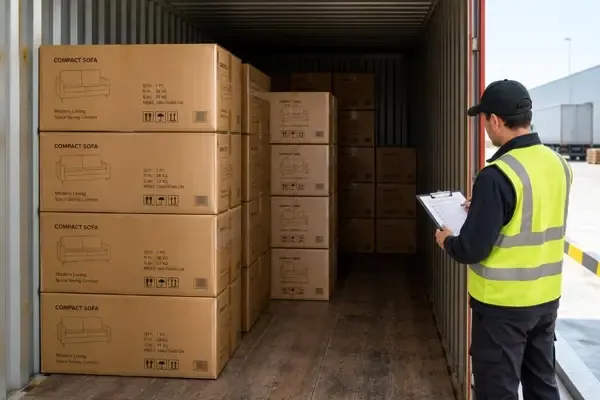
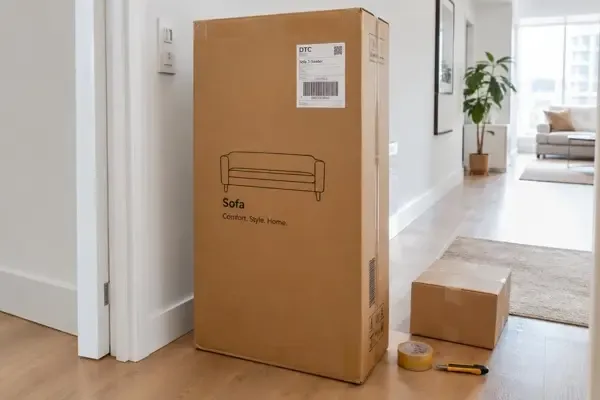
| Packed Carton Volume | ~0.18–0.24 CBM (ultra-compact) | ~0.30–0.36 CBM |
| Gross Parcel Weight | 22–34 kg (single courier friendly) | 36–52 kg (often split into 2 boxes) |
| Setup Experience | Zero tools — cut bag & expand | 5–10 min click/bolt frame + expand |
| Best Target Channels | TikTok Shop, Amazon, Airbnb, Studios | Wayfair, Retail Showrooms, Mid-High DTC |
| Typical Retail Band | US$349 – $649 | US$599 – $1,199 |
How Top Sellers Position Both Lines Together
- Launch with a boneless 3-seater or armchair first to validate ads and parcel fulfillment at the lowest possible landed cost.
- Add a framed L-shape sectional or click-clack sleeper once cash flow stabilizes to capture higher average order values (AOV).
- Specify 40–45 kg/m³ high-resilience core foam on boneless seats so the front edge stays supportive without wooden rails.
Need exact 40HQ loading figures or a 1-piece sample quote?